Where You Can and Cannot Do a Photoshoot in Tokyo
The photo rules for a Tokyo photoshoot: Meiji Jingu and Shinjuku Gyoen restrict professional shoots, Senso-ji's main hall, photographing people, Shibuya Crossing, drones and Gion's private alleys in Kyoto.
You can do a personal photoshoot on Tokyo’s streets and in most parks without a permit, but some of the best-known shrines and gardens restrict professional shoots.
Meiji Jingu does not allow promotional or professional photo sessions without permission, Shinjuku Gyoen does not allow commercial photography, and Senso-ji asks visitors not to photograph inside the main hall. Ask your photographer where they plan to shoot before you book; good ones plan around these rules.
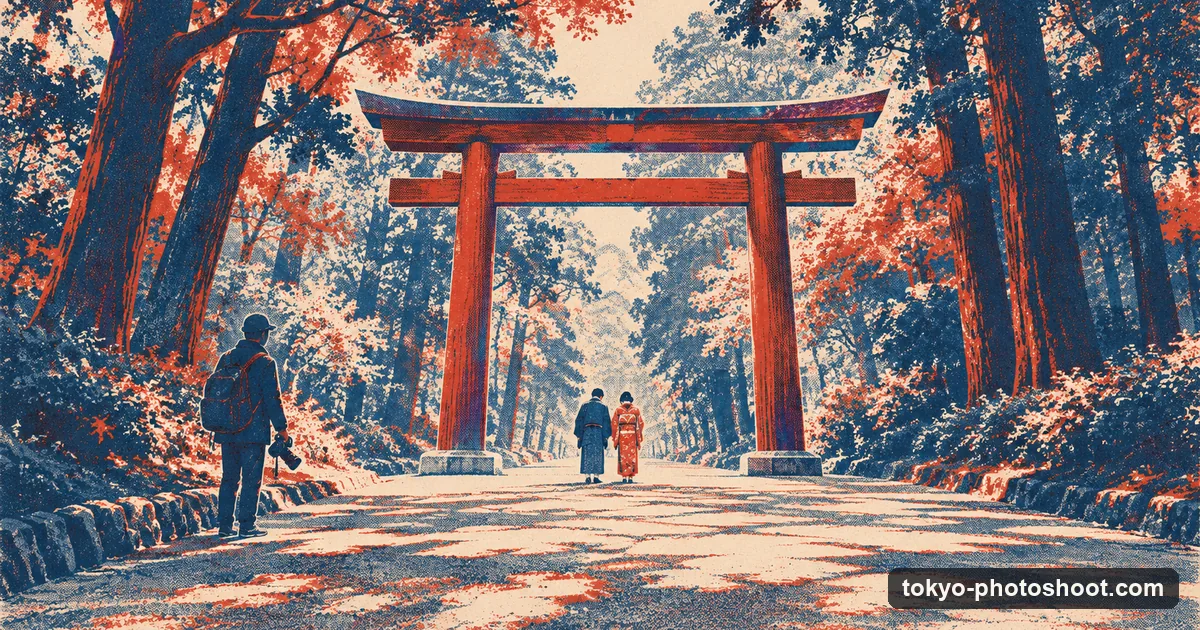
Meiji Jingu
The shrine’s own etiquette page says videos or promotional photography without permission are not allowed, and it also asks visitors not to photograph the main sanctuary where people pray, and not to fly drones. Shoots that advertise Meiji Jingu usually work in Yoyogi Park next door and on the approach paths. Bow at the torii, keep to the side of the path and lower the camera at the sanctuary.
Shinjuku Gyoen
The national garden’s rules separate personal photography, which needs no procedure, from commercial photography, which is not allowed. Tripods and reflector boards are restricted in peak seasons such as cherry blossom time (19 March to 26 April in 2026), and anyone using professional equipment has to apply at least a week ahead. If a shoot is meant to happen there, ask the photographer how they handle it.
Senso-ji and other temples
Photos are welcome on the grounds, at the Kaminarimon gate, along Nakamise-dori and by the pagoda; visitors are asked not to photograph inside the main hall. Do not pose on steps where people queue to pray, and keep incense and the purification fountain clear for worshippers.
People and the streets
Japan takes portrait rights seriously: ask before photographing strangers, especially children, and expect photographers to frame around passers-by. At Shibuya Crossing, shoot as you cross with the lights rather than stopping in the road. Restaurants, shops and stations are private property, so ask first.
Drones, permits and fees
Flying a drone over central Tokyo needs government permission, so drone shots are a specialist add-on, not part of a normal shoot. Some listings exclude permit or entrance fees: the proposal photoshoot leaves photography permit fees to you, and the Cinematic Street Photoshoot charges entrance fees if you ask for special locations.
If you go on to Kyoto
Gion’s private alleys near Hanamikoji have banned photography since October 2019, with a ¥10,000 fine; the main streets are fine. The kimono photoshoot page covers kimono shoots in Tokyo.
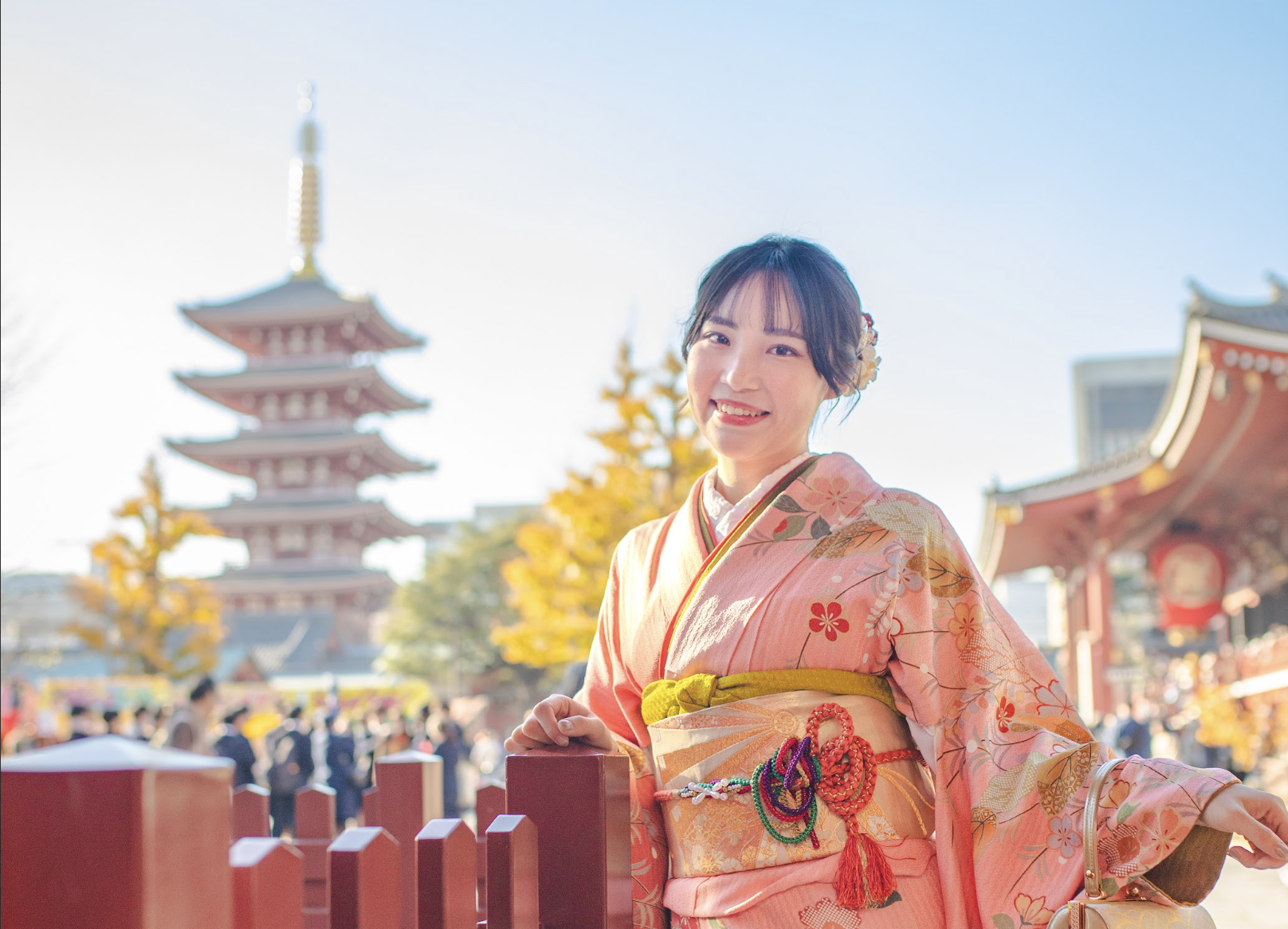
Your Spot, Your Hour
The 1-Hour Private Photoshoot meets you at the location you choose, confirmed by LINE, and gives you 100 to 150 original photos with up to 10 edited. Rated 5.0 from 25 reviews, from US$128 for one person as of October 2026, with free cancellation up to 2 days before.
Check 1-Hour Shoot Dates